
Workload
Equal hours can represent light seasonal work, continuous shifts or highly abrasive operating conditions.
Release.fi machinery leasing
Age and operating hours are considered together with condition, service information, price, remaining useful life and the applicant's business need. No single figure guarantees acceptance or rejection.
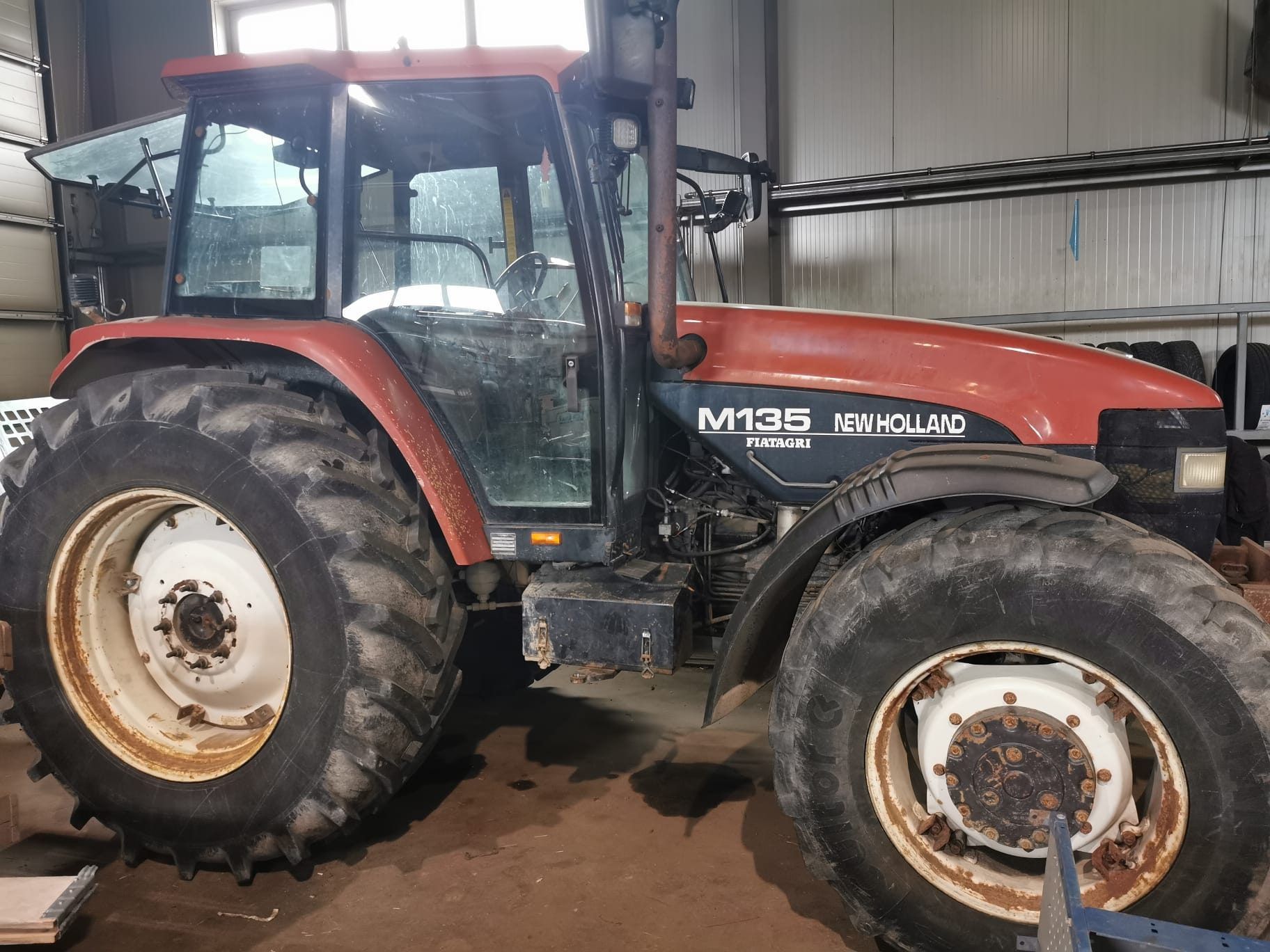
Key considerations
Equal hours can represent light seasonal work, continuous shifts or highly abrasive operating conditions.
Service intervals, fluids, inspections and documented component work affect what the meter reading means.
Attachments, tyres, tracks, guarding and control systems can alter both earlier loading and future suitability.
Remaining useful life must be considered against expected hours, contracts and the consequences of downtime.
Asset context
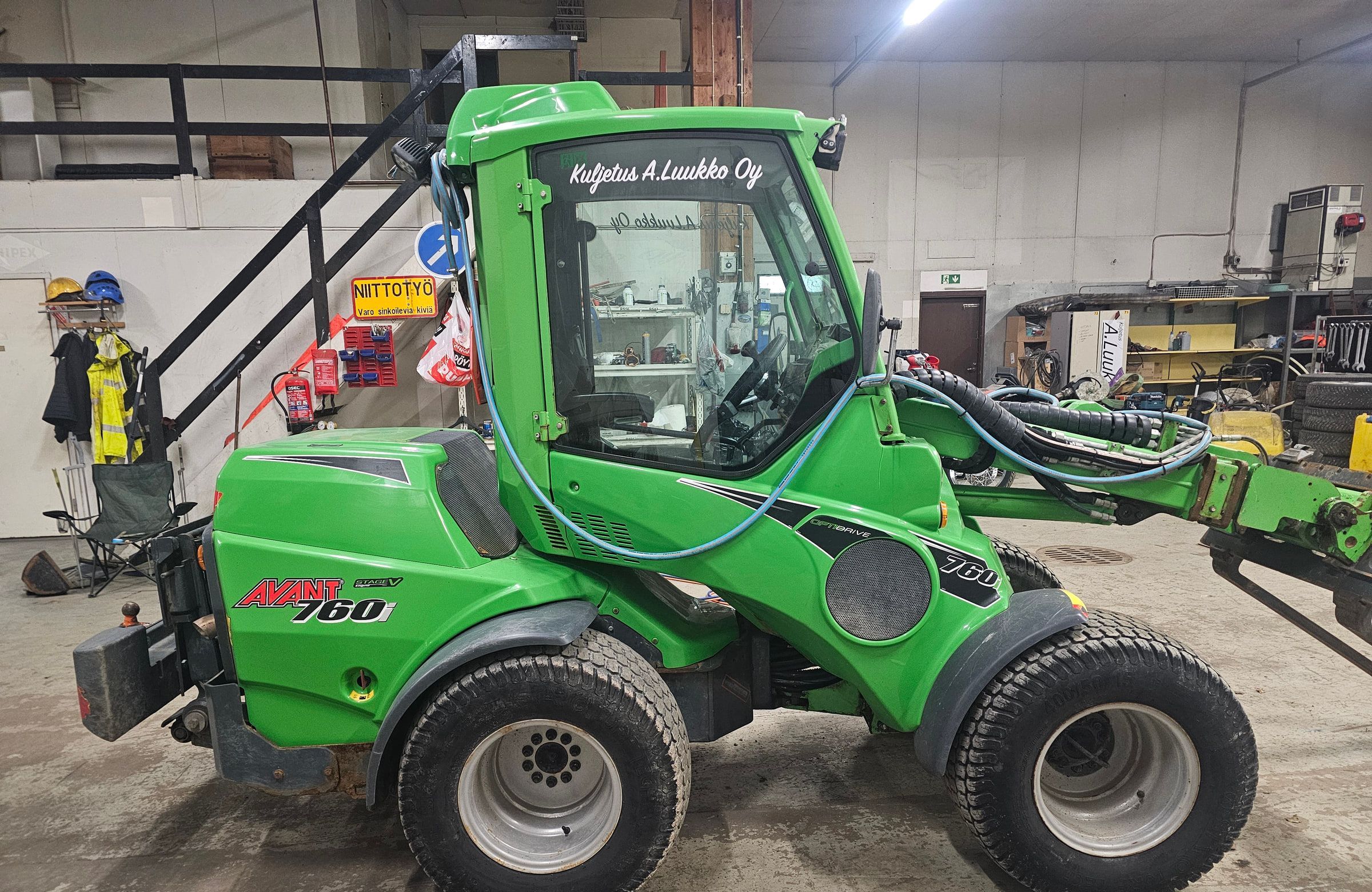
Practical sequence
Match make, model, year, serial details and meter readings with the available records.
Identify earlier tasks, environment, shift pattern, attachments and known periods of inactivity.
Connect scheduled service, repairs and replaced components with the current inspection.
Use a machine-specific technical review rather than relying on photographs or documents alone.
Relate condition and price to the business's expected annual use, support access and replacement plan.
Practical questions
No public automatic threshold is stated; age is considered with the full asset and transaction.
No. Storage, maintenance, workload and inspection findings remain material.
It can be relevant when the work is documented and its effect on the complete machine is understood.
Start with a short request
Every request is assessed individually. Optional details can be added after the first contact.